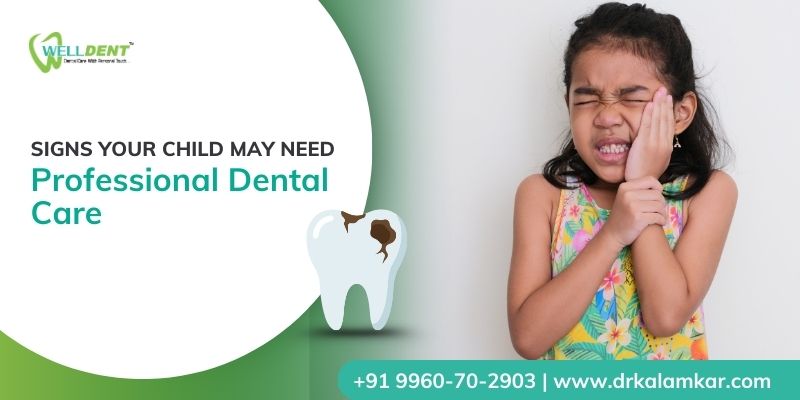
Every parent remembers the first time their child smiled back with tiny teeth. Those early moments make oral health feel simple and sweet. As children grow, things become less obvious. A skipped brushing here, a complaint about discomfort there, or a sudden change in eating habits can quietly signal that something needs attention.
At Dr. Kalamkar’s Welldent Family Dental Care, Dr. Swapnil Kalamkar often meets parents who say the same thing: “We thought it was too early,” or “We assumed it would settle on its own.” Childhood dental concerns rarely arrive with urgency. They unfold gently, and that is exactly why parents sometimes miss the early signs. Our dental experts make kids dental care in Sakkardara easy and comfortable without compromising on its effectiveness.
Why Early Dental Attention Matters More Than You Think?
Children’s teeth guide much more than smiles. They support speech development, nutrition, and jaw growth. When small issues go unnoticed, they can influence comfort and confidence in daily life.
Think of oral health like learning handwriting. Early guidance shapes habits, while delayed correction often takes more effort later. Dental care follows a similar pattern. Early support simplifies treatment and reduces stress for both child and parent.
Subtle Changes Parents Often Overlook
Many dental issues in children do not involve visible pain. Instead, they show up as small changes in behavior or routine.
Parents may notice:
- Avoidance of crunchy or hot foods
- Chewing on only one side of the mouth
- Increased irritability during meals
- Reluctance to brush or floss
These changes often appear gradually. Children may not describe discomfort clearly, so observation becomes essential.
Frequent Complaints That Should Not Be Ignored
Children express dental discomfort differently from adults. Some describe vague pain, while others simply avoid certain activities.
Common complaints include:
- “My tooth feels funny.”
- Sensitivity to cold drinks
- Mild but repeated jaw discomfort
- Bleeding gums during brushing
These signs deserve attention even if they disappear quickly. Temporary relief does not always mean resolution.
Behavioral Shifts That Can Signal Dental Trouble
Oral discomfort can influence mood and behavior. Parents sometimes notice changes before physical symptoms.
Watch for:
- Trouble concentrating at school
- Disturbed sleep patterns
- Increased thumb sucking or nail biting
- Resistance to oral hygiene routines
Dental discomfort often feels like a background irritation. Children adapt silently until the issue grows.
Signs Visible Inside the Mouth
Routine checks at home help parents spot changes early. A quick look during brushing can reveal valuable clues.
Look for:
- White or brown spots on teeth
- Swollen or red gums
- Persistent bad breath
- Crooked eruption of new teeth
These signs often indicate developing issues that respond well to early professional care.
How Diet and Habits Play a Role
Modern diets include snacks and sugary treats that challenge young teeth. Combined with inconsistent brushing, they create ideal conditions for cavities.
Habits that increase risk include:
- Frequent snacking without rinsing
- Sugary drinks before bedtime
- Skipping nighttime brushing
Professional dental care helps parents balance nutrition, habits, and oral hygiene realistically rather than perfectly.
Kids Dental Care
This stage focuses on prevention, early detection, and comfort. Dentists evaluate tooth development, gum health, bite alignment, and hygiene habits during routine visits. The goal involves guiding growth rather than correcting damage.
Kids dental care in Sakkardara at Dr. Kalamkar’s Welldent Family Dental Care emphasizes gentle examinations, child-friendly communication, and gradual familiarization with dental environments. At Dr. Kalamkar’s Welldent Family Dental Care, children learn to feel safe and understood during visits. Parents often notice that early professional guidance reduces fear and builds trust over time.
When Dental Visits Become Essential?
Parents often ask when routine monitoring should shift to professional care. Certain situations clearly signal the need for evaluation.
Seek dental attention if you notice:
- Persistent tooth pain lasting more than a day
- Swelling around the gums or jaw
- Injury from falls or sports
- Delayed eruption of permanent teeth
Timely visits prevent small issues from affecting growth or alignment later.
The Emotional Side of Children’s Dental Health
Dental discomfort influences more than physical health. Children may feel anxious, embarrassed, or frustrated when oral issues interfere with daily activities.
Professional care supports:
- Confidence during social interactions
- Comfortable eating at school
- Positive associations with healthcare
A calm dental experience often shapes lifelong attitudes toward oral health.
How Professional Care Supports Long-Term Oral Health?
Pediatric-focused dental visits do more than treat problems. They educate children and parents together.
Benefits include:
- Personalized hygiene guidance
- Monitoring of jaw and tooth development
- Early correction of alignment concerns
- Prevention-focused care plans
These visits function like regular check-ins rather than emergency responses.
Building a Healthy Routine at Home
Professional care works best alongside supportive habits at home. Small daily actions reinforce long-term benefits.
Helpful steps include:
- Supervising brushing twice daily
- Encouraging water after snacks
- Limiting sugary treats between meals
- Scheduling routine dental visits
Think of oral care like tending a garden. Regular attention prevents overgrowth and keeps everything balanced.
What Parents Often Say After Early Intervention?
Many parents share relief after addressing concerns early. They notice improved eating habits, better sleep, and reduced anxiety around dental visits.
Early care often feels proactive rather than reactive. Families appreciate clarity and reassurance during growth years.
Parents: The Guiding Light For Children’s Healthy Days
Children rarely articulate dental discomfort clearly. Parents play a vital role by noticing patterns, asking questions, and seeking guidance when uncertainty arises.
Dr. Swapnil Kalamkar and the team at Dr. Kalamkar’s Welldent Family Dental Care focus on partnership with families. Their approach emphasizes prevention, comfort, and trust.
If you sense that something feels off, trust that instinct. Exploring kids dental care in Sakkardara at our facility may help your child enjoy healthier habits and confident smiles as they grow. Taking that step today often shapes comfort for years to come.
FAQs
How often should children visit a dentist?
Most dentists recommend visits every six months for routine monitoring. Some children may need more frequent visits based on risk factors. Regular appointments help identify changes early. Consistency builds comfort and familiarity.
Is professional dental care necessary for baby teeth?
Yes, baby teeth guide speech, nutrition, and alignment of permanent teeth. Neglecting them can affect long-term oral health. Dentists monitor decay and development closely. Early care reduces future complications.
What if my child feels scared of dental visits?
Fear is common and manageable. Child-friendly clinics focus on gentle communication and gradual exposure. Positive early experiences reduce anxiety. Parents play a supportive role by staying calm and encouraging.
When should I consider visiting a dentist for kids dental care?
Parents should consider care when signs like discomfort, visible changes, or behavioral shifts appear. Kids dental care in Sakkardara at Dr. Kalamkar’s Welldent Family Dental Care supports early intervention and preventive guidance. Timely visits often simplify treatment. Early support builds confidence.
Can dental issues affect school performance?
Yes, discomfort can disrupt sleep and concentration. Children may struggle with focus or appetite. Addressing dental concerns often improves overall well-being. Oral health connects closely with daily functioning.